

Procedures
Expert endodontic care for lasting dental health
Why would I need endodontic treatment?
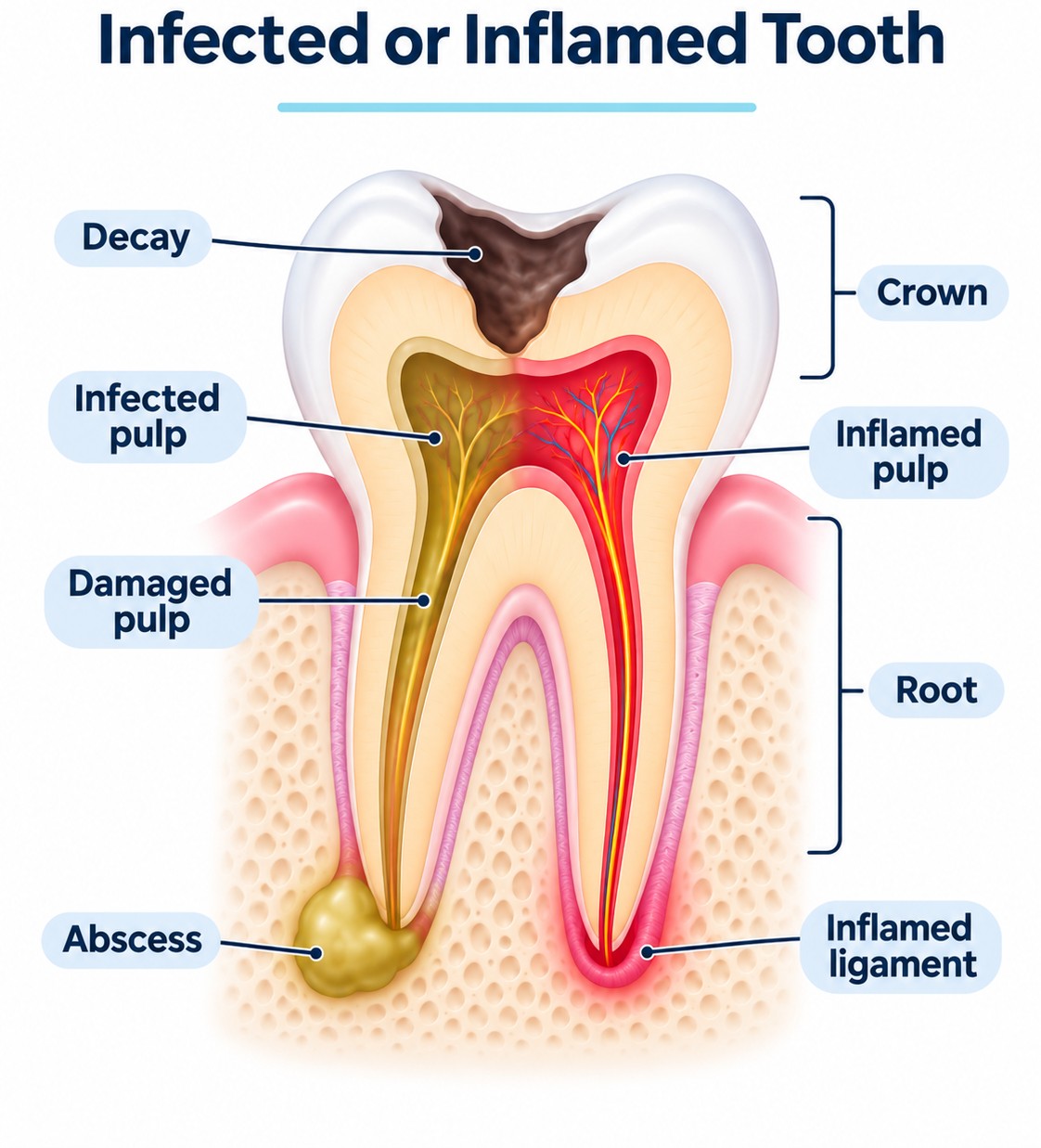
Endodontic treatment is required when the pulp of the tooth becomes infected or inflamed. This inflammation is most often caused by deep cavities, cracks in the tooth, or trauma to the face that involves the teeth. If this inflammation or infection isn’t treated, it causes pain and can lead to an abscess.
Some symptoms which may indicate the need for endodontic treatment include:
- Discomfort when touching or biting
- Cold or hot sensitivity which lingers
- Discoloration of the tooth
- Swelling in the mouth
- Spontaneous pain in the mouth
How can endodontic treatment help me?
The goal of endodontic treatment is to save the affected tooth and alleviate the pain caused by the infection or inflammation. After a tooth is endodontically treated and subsequently restored with a crown and/or filling by your general dentist, it will generally return to normal function within several days. Endodontic treatment has a very high success rate and is typically less expensive and less invasive than replacing a lost tooth with a bridge or dental implant. Endodontic treatment allows you to keep and maintain your natural tooth. The only other option is removal or extraction of the diseased tooth.
What can I expect during endodontic treatment?
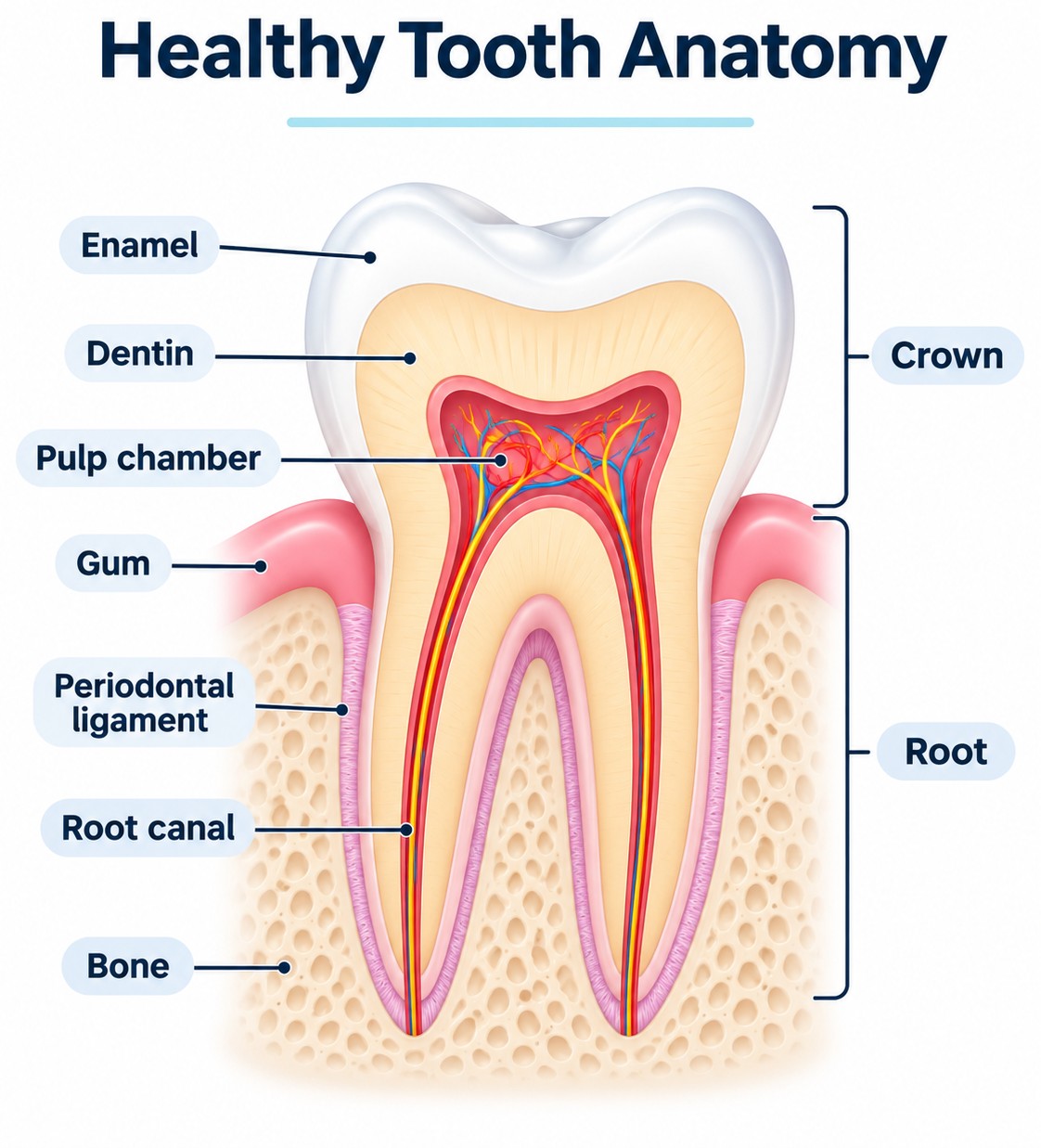
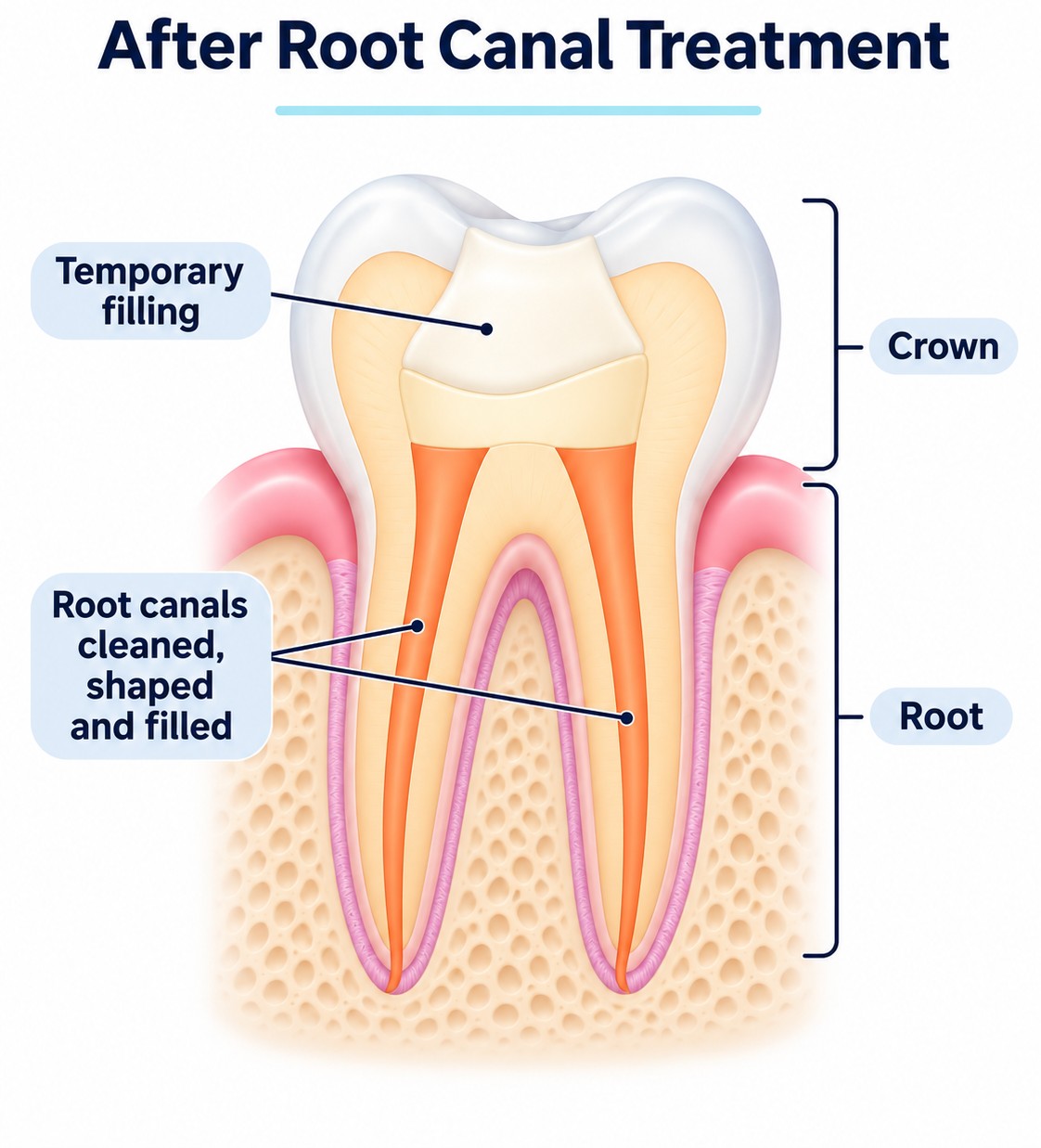
The endodontist will remove the inflamed or infected pulp from inside the tooth, then carefully clean and shape the root canal system. After the interior of the tooth is cleaned and disinfected, the endodontist will fill and seal that space. Often, the procedure can be performed in a single appointment ranging from 60–90 minutes (depending on the complexity of the case). However, some teeth may require additional appointments, particularly if the tooth is found to be very inflamed or infected.
After you receive treatment, you will need to return to your dentist for a permanent crown and/or filling. This permanent restoration replaces the temporary seal the endodontist places on the tooth after the canals are cleaned and is vital to the success of your endodontic treatment.
Is a root canal painful?
Many endodontic procedures are performed to relieve the pain of toothaches caused by pulp inflammation or infection. With modern techniques and anesthetics, most patients report that they are comfortable during the procedure. However, due to the nature of the treatment, your tooth may feel sensitive for a few days. This is especially true if you were experiencing pain before you received treatment. Seeking treatment early makes the procedure more comfortable.
Following the endodontist’s instructions will help to minimize the amount of pain you experience. Your tooth may continue to feel slightly different from your other teeth for some time after your endodontic treatment is completed. However, if you have severe pain or pressure or pain that lasts more than a few days, call your endodontist.
What happens after treatment?
After you receive treatment, you will need to return to your dentist for a permanent crown or filling. This permanent restoration replaces the temporary seal the endodontist places on the tooth after the canals are cleaned and is vital to the success of your endodontic treatment. Your dentist will decide on what type of restoration is necessary to protect your tooth.
Will the tooth need any special care or treatment?
You should not chew or bite on the treated tooth until you have had it restored by your dentist, which will typically mean getting a crown and/or a filling. An unrestored tooth is susceptible to fracture and contamination, so you should see your dentist for a full restoration promptly. Otherwise, you need only practice good oral hygiene, including brushing, flossing, and regular checkups and cleanings.
For additional information about endodontic and dental procedures, visit: